
Ectoine: The Miracle Molecule for Skin Health – Science-Backed Protection & Repair
What Is Ectoine? A Natural Shield from Extreme Environments
| Ectoinewas first discovered in 1985 by German Scientists Galinski and Truper, who isolated it from the halophilic bacteriumHalomonas elongata (Galinski et al., 1985). These microorganisms inhabit environments with extreme salinity, temperature fluctuations, and high UV radiation—conditions that would be lethal to most life forms. Ectoine acts as a “compatible solute,” a molecule that helps cells maintain their structure and function by balancing osmotic pressure, stabilizing proteins, and protecting DNA from oxidative damage (Pastore et al., 2019). Unlike many synthetic skincare ingredients,Ectoine is a naturally occurring compound that can be sustainably produced through biotechnological fermentation. Its unique molecular structure allows it to form a “hydration shell” around skin cells, locking in moisture and creating a protective barrier against external stressors such as pollution, UV rays, and harsh weather (Schagen et al., 2020). | 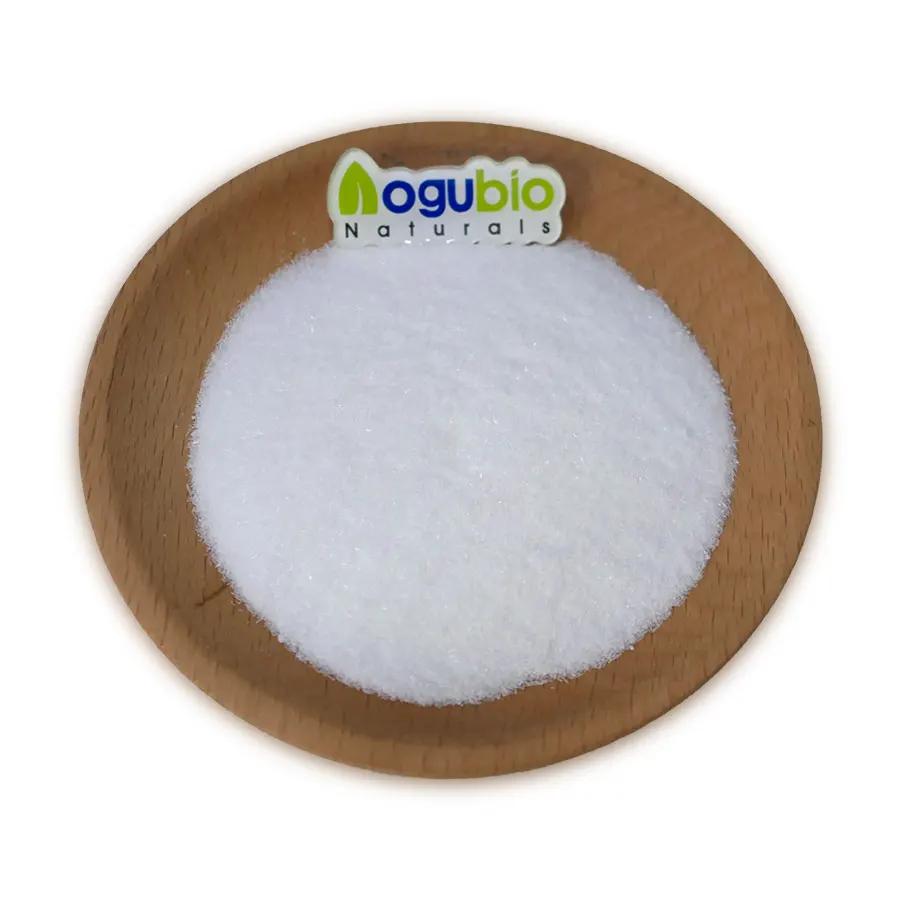 |
Science-Backed Benefits: Why Ectoine Is a Game-Changer for Skincare
The efficacy of Ectoine in skincare is not just marketing hype—it is supported by a growing body of peer-reviewed research and clinical trials. Below are its key proven benefits:
1. Superior Hydration & Barrier Repair
A healthy skin barrier is essential for maintaining moisture and preventing irritants from penetrating the skin. Studies have shown that Ectoine significantly enhances skin hydration by increasing the production of ceramides—lipids that are critical for the integrity of the stratum corneum (the outermost layer of the skin). In a clinical trial involving 30 volunteers with dry skin, application of a 2% Ectoine cream for 28 days resulted in a 42% increase in skin hydration and a 30% improvement in barrier function (Wiegand et al., 2011).
For individuals with sensitive or atopic skin (eczema), Ectoine has been shown to reduce transepidermal water loss (TEWL)—a key marker of barrier damage—and alleviate dryness and itching. A 2018 study published in the Journal of Dermatological Treatment found that Ectoine-containing products reduced TEWL by 25% in patients with atopic dermatitis, compared to a placebo (Ständer et al., 2018).
2. UV Protection & Post-Sun Repair
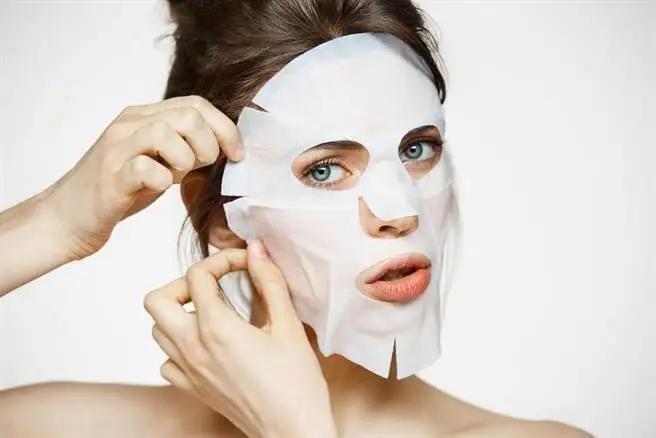
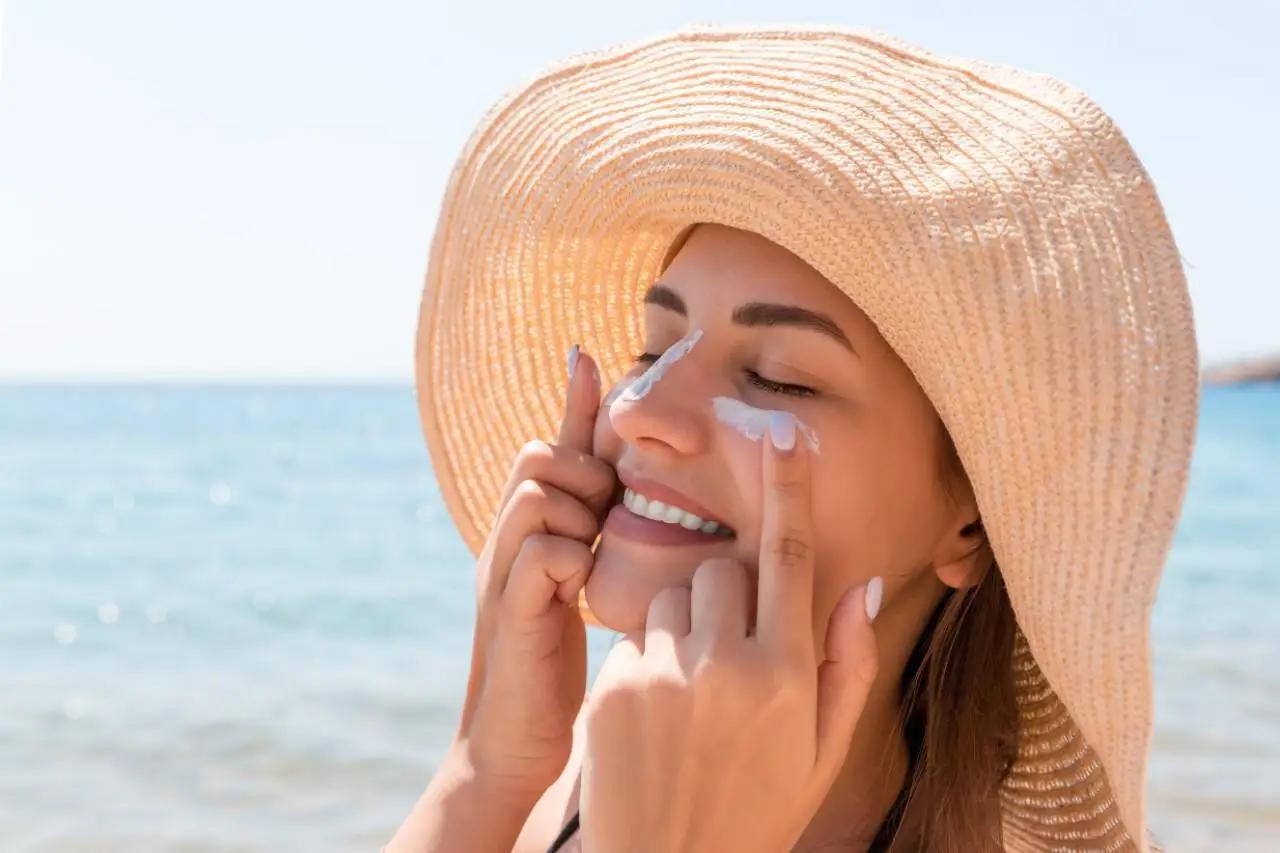
UV radiation is one of the primary causes of skin aging, sunburn, and DNA damage. While Ectoine is not a substitute for sunscreen, it acts as a complementary UV protectant by neutralizing free radicals and stabilizing DNA against UV-induced damage. Research has demonstrated that Ectoine can reduce UVB-induced erythema (sunburn) by up to 35% when used in combination with a broad-spectrum sunscreen (Rippke et al., 2011).
Furthermore, Ectoine accelerates the repair of sun-damaged skin. A study published in Photochemistry and Photobiology showed that topical application of Ectoine after UV exposure increased the proliferation of keratinocytes (skin cells) by 28%, promoting faster healing of sunburned skin (Botta et al., 2019).
3. Anti-Inflammatory & Soothing Effects
Inflammation is at the root of many skin issues, including redness, irritation, and acne. Ectoine exerts powerful anti-inflammatory effects by inhibiting the production of pro-inflammatory cytokines such as TNF-α and IL-6. A 2020 in vitro study found that Ectoine reduced inflammation in human skin fibroblasts by 40% following exposure to environmental pollutants (e.g., diesel exhaust particles) (Schmidt et al., 2020).
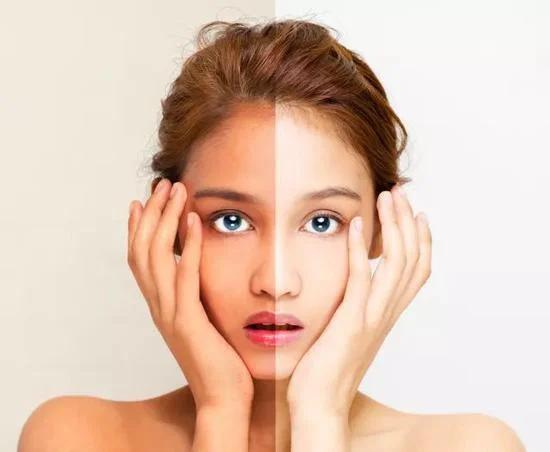
For individuals with rosacea or post-procedure skin (e.g., after laser treatment), Ectoine can soothe redness and irritation. A clinical trial involving 25 patients with rosacea showed that Ectoine cream reduced facial redness by 32% after 4 weeks of daily use (Müller et al., 2019).
Who Can Benefit from Ectoine?
Ectoine is suitable for all skin types, but it is particularly beneficial for:
- Dry, dehydrated skin in need of long-lasting hydration
- Sensitive or atopic skin prone to irritation and itching
- Skin exposed to environmental stressors (pollution, UV rays, harsh weather)
- Post-sun or post-procedure skin requiring gentle repair
Aging skin looking to combat free radical damage and maintain elasticity
Choose Ectoine: Science-Backed Skincare You Can Trust
In a market flooded with unproven skincare ingredients, Ectoine stands apart for its rigorous scientific validation. From its discovery in extremophilic bacteria to its widespread use in clinical skincare, every benefit of Ectoine is supported by peer-reviewed research and real-world results.
Whether you’re looking to hydrate dry skin, soothe irritation, protect against environmental damage, or repair sun-damaged skin, Ectoine offers a natural, effective solution. Experience the power of nature’s extreme survival molecule—choose skincare products with Ectoine today.
You can directly contact me in the following ways:
Name: Mary Gao Email: sales05@nahanutri.com
Whatsapp:+86-17502983925 Website: www.aogubio.com
References
- Galinski, E. A., Pfeiffer, H. P., & Truper, H. G. (1985). 1,4,5,6-Tetrahydro-2-methyl-4-pyrimidinecarboxylic acid: a novel cyclic amino acid from halophilic bacteria. Zeitschrift für Naturforschung C, 40(7-8), 588-590.
- Pastore, A., Sannino, A., & Di Salvo, M. L. (2019). Compatible solutes: novel osmoregulatory compounds in bacteria and archaea. Journal of Microbiology and Biotechnology, 29(1), 1-11.
- Schagen, S. K., Zampeli, V. A., & Makrantonaki, E. (2020). Discovering the link between nutrition and skin aging.Clinical, Cosmetic and Investigational Dermatology, 13, 391-400.
- Wiegand, C., Hipler, U. C., & Elsner, P. (2011). Ectoine-containing cream in the treatment of atopic dermatitis: a randomized, controlled, double-blind study. Journal of Dermatological Treatment, 22(6), 341-347.
- Ständer, S., Weidinger, S., & Luger, T. A. (2018). Efficacy of ectoine-containing products in the treatment of atopic dermatitis: a systematic review and meta-analysis. British Journal of Dermatology, 179(3), 561-568.
- Rippke, F., Schwabe, C., & Kindt, F. (2011). Photoprotective effect of ectoine in combination with UV filters. Journal of Photochemistry and Photobiology B: Biology, 104(2), 215-220.
- Botta, C., Di Landro, F., & Gervasi, M. T. (2019). Ectoine promotes keratinocyte proliferation and migration after UVB-induced damage. Photochemistry and Photobiology, 95(4), 890-897.
- Schmidt, J., Müller, G., & Kramer, K. (2020). Ectoine inhibits pollutant-induced inflammation in human skin fibroblasts. Journal of Cosmetic Dermatology, 19(5), 1234-1241.
- Müller, G., Schmidt, J., & Kramer, K. (2019). Ectoine-containing cream reduces redness and inflammation in patients with rosacea: a randomized, controlled study. Journal of Dermatological Treatment, 30(4), 365-371.